
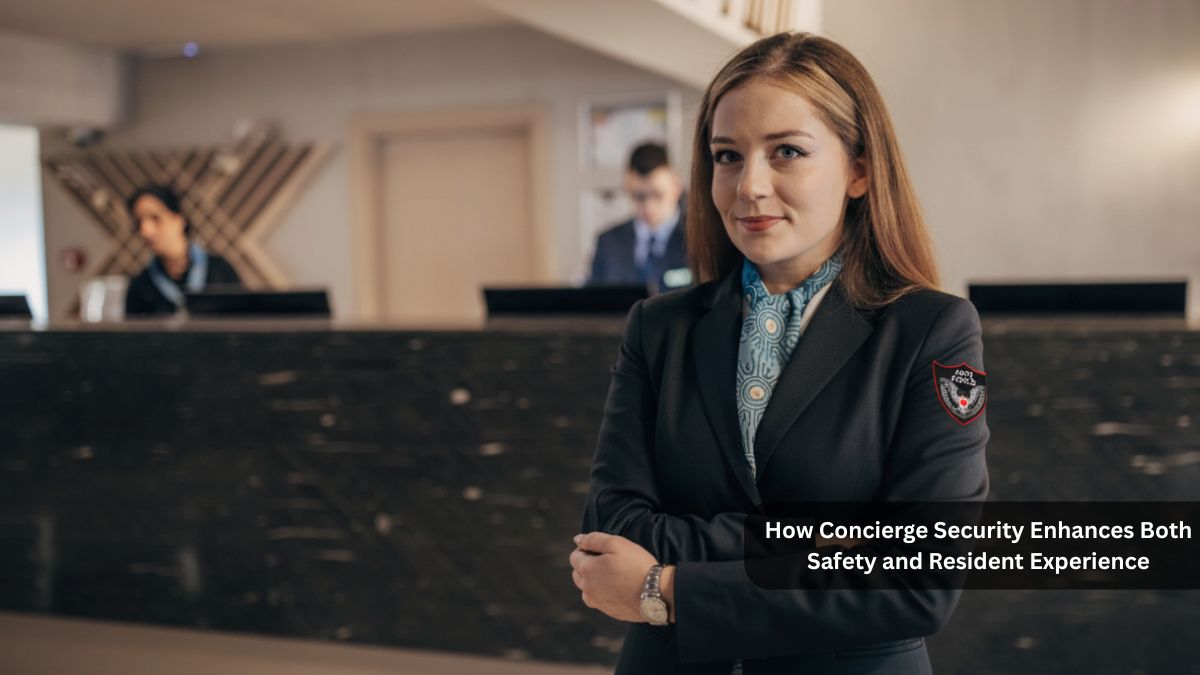
In today’s rapidly evolving urban landscape, buildings are more than just structures, they are living, dynamic communities. For property managers in the Greater Toronto Area (GTA), balancing security with tenant satisfaction has become a critical priority. Traditional security guards can protect property and deter crime, but modern residents expect more than safety, as they want convenience, professionalism, and a welcoming environment.
Concierge security has emerged as a solution that addresses both these needs. By blending professional safety protocols with hospitality and operational support, concierge officers ensure that residents feel secure while enjoying a superior living experience. This dual function has made concierge security the preferred choice for modern residential buildings, corporate complexes, and luxury developments across the GTA.
The Dual Role of Concierge Security
Concierge security officers are licensed under Ontario’s Private Security and Investigative Services Act (PSISA), ensuring they meet all provincial training and legal requirements. Unlike traditional guards who focus mainly on monitoring and patrolling, concierge officers serve as both protectors and facilitators.
Their responsibilities include verifying visitors, managing access control, monitoring security systems, greeting residents and guests, handling deliveries, and providing operational support. This dual role allows them to act as a central hub within a building, blending vigilance with personalized service. Residents benefit from a visible, approachable presence that simultaneously ensures safety and convenience.
Enhancing Safety in Modern Buildings
Safety remains the core function of concierge security. In high-density urban settings, residential and commercial properties are vulnerable to a variety of risks, including unauthorized access, theft, vandalism, and emergencies. Concierge officers are trained to identify suspicious activity, respond quickly to incidents, and collaborate with law enforcement or emergency services when needed.
Unlike traditional guards, concierge officers also integrate into the day-to-day flow of building operations. Their presence at entrances and reception areas ensures constant monitoring of who enters and exits the property. By combining vigilance with professional interaction, they provide a proactive approach to preventing crime and mitigating risks before they escalate.
Creating a Welcoming Environment
While safety is crucial, resident experience is equally important. Concierge officers serve as the first point of contact for residents, visitors, and service personnel. A friendly, professional presence not only reassures residents but also enhances the reputation of the building.
Concierge officers handle routine interactions with efficiency and courtesy. They manage deliveries, provide directions, and answer inquiries, ensuring residents feel supported and valued. This personalized service fosters a sense of community and trust, which is essential for tenant retention and satisfaction in competitive urban markets like Toronto, Mississauga, and Brampton.
Supporting Property Management Operations
Concierge security does more than enhance safety and experience; it also streamlines property management. Officers act as an extension of the management team, handling administrative tasks such as logging deliveries, reporting maintenance issues, and maintaining access control records.
This operational support reduces the workload for property managers, allowing them to focus on broader strategic priorities while maintaining oversight of building security. The integration of concierge officers into management operations also ensures accurate reporting and accountability, improving overall efficiency and responsiveness.
Emergency Preparedness and Response
Emergencies are unpredictable, but concierge officers are trained to respond effectively to a wide range of situations, including medical incidents, fires, and security threats. Their strategic location in lobbies or reception areas allows for immediate intervention and coordination with emergency services.
Training often includes first aid, CPR, evacuation procedures, and conflict resolution, ensuring that concierge officers can manage crises with calm professionalism. This preparedness not only minimizes potential harm but also reassures residents that the building is in capable hands, enhancing trust and confidence in property management.
Leveraging Technology to Enhance Security
Modern concierge security is supported by advanced technology, making buildings safer and more efficient. Officers work with CCTV, alarm systems, electronic access control, and digital incident reporting to complement their on-site presence.
This combination of human vigilance and technology allows for comprehensive coverage. Property managers can monitor activity in real-time, track incidents digitally, and ensure that security protocols are followed consistently. Concierge officers serve as the bridge between technology and residents, interpreting security information while maintaining a human touch.
Balancing Security with Professionalism
One of the key advantages of concierge security is the balance between safety and professionalism. Officers provide visible deterrence while maintaining a welcoming demeanor. This dual approach is particularly valuable in residential and mixed-use developments where residents expect high levels of service alongside effective security.
Professional presentation, polite communication, and situational awareness all contribute to an environment where residents feel safe and respected. Concierge officers reinforce the reputation of the building as a secure, well-managed, and desirable place to live or work.
Why Modern Buildings Prefer Concierge Security
The preference for concierge security service in modern buildings stems from its ability to address multiple priorities simultaneously. Traditional guards offer protection, but concierge officers provide protection, operational support, and a superior resident experience.
Buildings with high occupancy, luxury amenities, or high traffic benefit from this comprehensive approach. By deploying trained, licensed concierge officers, property managers create a secure environment that enhances tenant satisfaction, streamlines management operations, and strengthens the property’s reputation.
Conclusion
Concierge security has become the gold standard for modern buildings in the GTA. By integrating professional safety measures with personalized service and operational support, concierge officers enhance both the security and the resident experience.
Property managers benefit from a team that not only prevents unauthorized activity and responds to emergencies but also fosters a welcoming environment, supports daily operations, and improves tenant satisfaction. Security companies like Akin Force provide licensed, trained, and technology-savvy concierge personnel, ensuring buildings are safe, efficient, and well-managed.
In today’s competitive urban landscape, concierge security is more than a luxury—it is an essential component of modern property management, providing peace of mind and elevating the overall living experience for residents.
FAQs
1. What is concierge security?
Concierge security combines traditional guarding with customer service, operational support, and resident interaction, providing safety and convenience.
2. Are concierge officers licensed in Ontario?
Yes, they meet the same PSISA licensing requirements as traditional security guards.
3. How does concierge security improve resident experience?
By providing personal interaction, assisting with deliveries and inquiries, and creating a professional, welcoming environment.
4. Can concierge officers respond to emergencies?
Yes, they are trained in medical response, evacuation, conflict resolution, and coordination with emergency services.
5. How does concierge security support property managers?
Officers handle administrative tasks, maintain access control records, report incidents, and assist with operational oversight.
6. Do concierge officers use security technology?
Yes, they integrate CCTV, alarms, access control, and digital reporting to enhance safety and accountability.
7. Are concierge officers suitable for commercial buildings?
Yes, they are effective in office lobbies, mixed-use developments, and luxury residential properties.
8. Can concierge and regular guards work together?
Yes, a hybrid model allows concierge officers to manage front-facing operations while traditional guards patrol perimeters.
9. What training do concierge officers receive?
Training includes security protocols, customer service, emergency response, first aid, and operational procedures.
10. Why is concierge security becoming the standard in modern buildings?
It provides a balanced approach, enhancing safety, operational efficiency, and resident satisfaction, meeting the evolving demands of urban properties.