
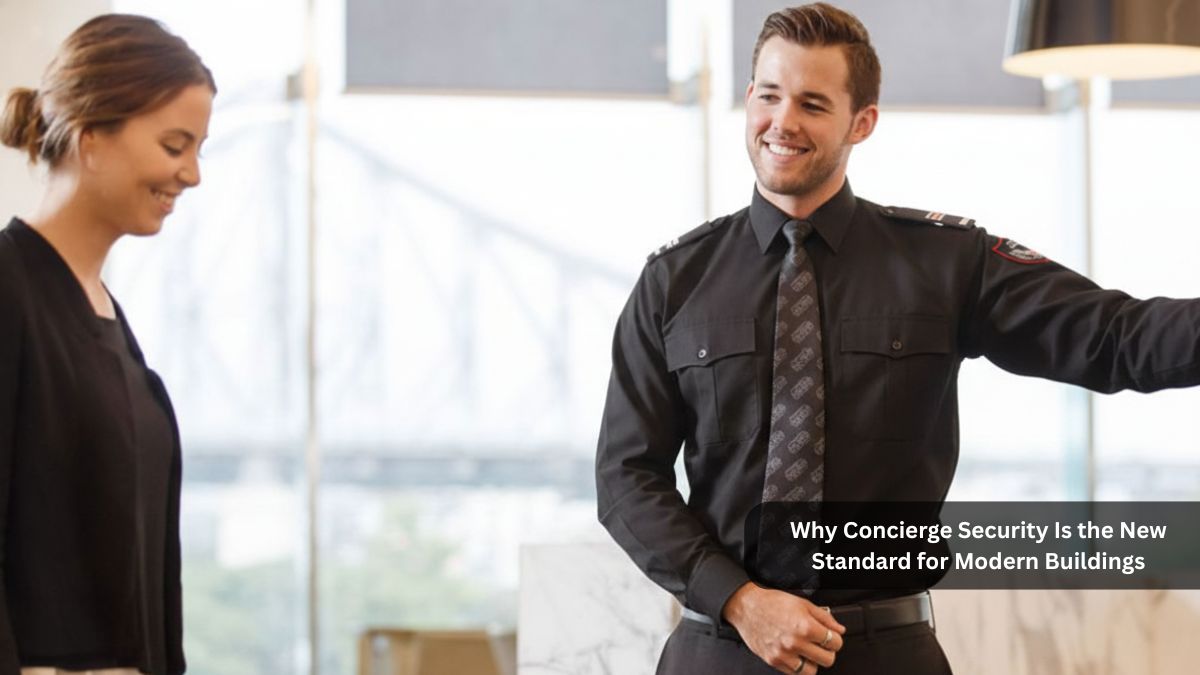
As urban development accelerates across the Greater Toronto Area (GTA), modern buildings are evolving beyond simply providing shelter or workspace—they are becoming full-service environments that prioritize safety, efficiency, and tenant experience. This shift has created a demand for a new type of security solution: concierge security.
Unlike traditional security guards, concierge officers combine professional safety protocols with hospitality, administrative support, and operational oversight. Their role extends beyond monitoring premises; they serve as the face of the building, ensuring residents, tenants, and visitors feel safe, welcomed, and supported. For property managers, concierge security has emerged as a standard practice that enhances building operations, improves resident satisfaction, and strengthens overall safety.
The Role of Concierge Security in Modern Buildings
Concierge security officers are licensed under Ontario’s Private Security and Investigative Services Act (PSISA), ensuring they meet provincial training and legal requirements. Beyond this, they receive additional instruction in customer service, communication, and property management procedures. Their role typically centers around the building’s lobby or reception, where they greet residents and visitors, verify access, manage deliveries, and monitor security systems.
By integrating operational duties with security responsibilities, concierge officers act as a hub of information and protection. They are trained to identify suspicious behavior, respond to emergencies, and maintain a professional presence, all while providing exceptional service. In modern buildings, this combination has proven far more effective than relying on traditional guards alone.
Enhanced Safety and Deterrence
Concierge security guard provides a visible and approachable presence that deters unauthorized activity. The regular interaction with residents and visitors allows officers to notice unusual behavior quickly, preventing potential incidents before they escalate.
In addition to presence-based deterrence, concierge officers are trained in access control, emergency protocols, and surveillance monitoring. Their dual function with welcoming visitors while safeguarding the property ensures that modern buildings are protected around the clock without sacrificing the experience of those inside.
Improving Resident and Tenant Experience
A modern building is more than its physical structure; it is an environment shaped by the interactions and experiences of its occupants. Concierge security officers enhance the daily lives of residents and tenants by providing personal attention, guidance, and assistance.
From managing deliveries and directing guests to providing information about building policies or services, concierge officers improve convenience and reduce stress for residents. Their professional demeanor and consistent presence foster a sense of community and trust, which is critical for tenant retention and satisfaction.
Supporting Property Management Operations
Concierge security also benefits property managers directly. Officers handle tasks that go beyond standard guarding, including logging deliveries, coordinating maintenance requests, and reporting incidents in real-time. This reduces administrative burdens on management staff and ensures that operations run smoothly.
By bridging the gap between security and management, concierge officers allow property teams to focus on larger strategic priorities while maintaining daily operational efficiency. The result is a safer, more organized, and better-managed building.
Emergency Preparedness and Response
Emergencies are unpredictable, but concierge security officers are prepared to act efficiently. Whether it’s a medical incident, fire alarm, suspicious activity, or unauthorized access, they follow structured protocols to minimize risk.
Their central location in lobbies or reception areas enables quick coordination with emergency services and internal teams. This rapid response capability not only prevents escalation but also ensures compliance with safety regulations and reduces potential liabilities for property managers.
Leveraging Technology for Modern Security
Modern concierge security is supported by advanced technology, including CCTV monitoring, alarm systems, electronic access control, and digital incident reporting. Officers use these tools to complement their physical presence, ensuring comprehensive coverage and real-time response.
Property managers benefit from instant updates, accurate reporting, and detailed logs, allowing them to track activity efficiently. This integration of human vigilance with technology is a hallmark of contemporary building security, setting concierge officers apart from traditional guard services.
Why Concierge Security Is the Preferred Choice
There are several reasons why concierge security has become the new standard in modern buildings. First, it creates a professional and welcoming environment that improves the perception of the property. Second, it combines safety with operational support, reducing the administrative workload on property managers. Third, it enhances tenant satisfaction and retention through personalized service.
Moreover, the presence of trained, licensed officers who can respond to emergencies and monitor security systems ensures a high level of protection without creating an intimidating environment. For these reasons, property managers across Toronto, Mississauga, Vaughan, and Brampton increasingly view concierge security as an essential investment rather than an optional service.
At the Forefront of Evolving Security Needs
Concierge security represents the evolution of building safety, combining protection, hospitality, and operational support into a single, effective role. Modern buildings in the GTA require more than just a traditional guard; they need a visible, professional, and approachable presence that safeguards property while enhancing resident and tenant experiences.
By hiring concierge officers, property managers ensure a safer, more organized, and more appealing environment. Professional security companies like Akin Force provide licensed and trained concierge personnel who integrate technology, emergency preparedness, and professional service to set a new standard for building security in the GTA.
As buildings continue to evolve, concierge security is not just a trend as it is the new baseline for safe, professional, and well-managed properties.
FAQs
1. What makes concierge security different from regular security guards?
Concierge security combines traditional protection with customer service, operational support, and resident interaction, while regular guards focus primarily on safety and monitoring.
2. Are concierge officers licensed in Ontario?
Yes, they must meet the same PSISA licensing requirements as all security guards, ensuring legal compliance and professional training.
3. Can concierge officers handle emergencies?
Absolutely. They are trained in medical response, fire safety, evacuation procedures, and managing suspicious activity.
4. Do concierge officers manage deliveries and visitors?
Yes, managing deliveries, verifying visitors, and controlling access are key parts of their role.
5. How does concierge security improve tenant satisfaction?
Through personal interaction, professional presence, and operational assistance, concierge officers create a safe and welcoming environment.
6. Can concierge security integrate with building technology?
Yes, officers work with CCTV, alarms, access control, and digital logs to enhance safety and accountability.
7. Is concierge security suitable for commercial buildings?
Yes, it is ideal for office lobbies, mixed-use developments, and other environments where visitor interaction is frequent.
8. Can a property have both concierge and regular guards?
Yes, combining concierge officers with regular guards ensures both front-facing service and perimeter security.
9. How does concierge security benefit property managers?
Officers handle administrative and operational tasks, improve safety, and reduce management workload.
10. Why is concierge security considered the new standard?
It offers a balanced approach to modern property management, combining safety, service, and operational efficiency, meeting the evolving expectations of tenants and visitors.