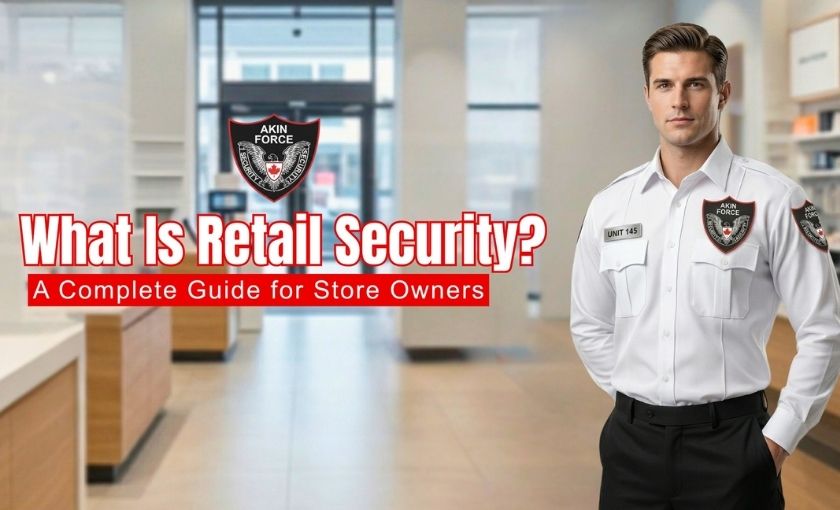
Running a retail store in the Greater Toronto Area (GTA) comes with a variety of challenges, and one of the most critical is retail security. Whether you operate a boutique, a large department store, or a busy shopping complex, preventing theft, managing crowds, and protecting employees and customers are essential to maintaining a safe and profitable environment.
Akin Force, a trusted provider of security services in the GTA, specializes in retail security solutions, offering licensed and trained guards, technology integration, and proactive risk management to protect businesses of all sizes. This guide explores what retail security entails, the risks store owners face, and how professional services can safeguard your business and assets.
What Is Retail Security?
Retail security refers to the strategies, personnel, and technologies used to protect retail stores, staff, customers, and merchandise. Its primary goals are to prevent theft, ensure customer safety, manage crowds, and maintain a secure environment.
Retail security encompasses multiple components, including:
- On-site security guards
- CCTV surveillance
- Access control and alarms
- Emergency response protocols
- Risk assessment and planning
Akin Force emphasizes that effective retail security goes beyond just preventing shoplifting—it also involves proactive measures to protect employees, customers, and the overall reputation of the store.
Common Risks in Retail
Retail environments face numerous risks that require strategic security solutions. Some of the most common include:
1. Shoplifting and Employee Theft
The majority of retail losses stem from theft, both external and internal. Shoplifters may attempt to steal merchandise, while employees may engage in fraud or pilfering.
2. Violence or Harassment
Incidents involving aggressive customers or conflicts between staff and patrons can escalate if not properly managed.
3. Vandalism
Damage to property or fixtures can disrupt operations and increase costs.
4. Crowding and Safety Hazards
Peak shopping periods, promotional events, or sales can create overcrowded conditions, increasing the risk of accidents or injuries.
5. Cybersecurity Risks
While not physical, modern retail stores often rely on digital systems for transactions, making cybersecurity an integral part of overall security planning.
Professional retail security addresses all these risks, combining personnel, technology, and procedures to minimize loss and maintain safety.
The Role of Retail Security Personnel
Licensed security guards play a crucial role in protecting stores. Their responsibilities include:
- Theft Prevention: Guards monitor high-risk areas, observe suspicious behavior, and intervene when necessary.
- Access Control: Ensuring only authorized personnel enter restricted areas like stockrooms or offices.
- Crowd Management: Maintaining order during sales, events, or peak hours to prevent accidents or disruptions.
- Emergency Response: Responding to medical incidents, fires, or security breaches promptly and efficiently.
- Customer and Staff Assistance: Security officers serve as a point of contact for safety concerns, enhancing the overall shopping experience.
Akin Force ensures that all personnel are licensed, trained, and experienced, capable of handling retail-specific scenarios while remaining professional and unobtrusive.
Technology in Retail Security
Modern retail security combines human expertise with advanced technology to improve effectiveness. Key tools include:
- CCTV Surveillance: Monitors the store in real time, deterring theft and providing evidence in case of incidents.
- Electronic Article Surveillance (EAS): Prevents theft by triggering alarms when merchandise is removed without authorization.
- Access Control Systems: Restrict entry to stockrooms, offices, or secure areas.
- Digital Reporting: Helps track incidents, monitor trends, and improve security protocols.
- Mobile Patrols: Security officers can monitor larger areas, parking lots, or entrances efficiently.
Akin Force integrates technology with trained personnel, ensuring no detail is overlooked and that potential threats are identified and addressed proactively.
Benefits of Professional Retail Security
Investing in professional security services delivers numerous benefits for store owners:
1. Loss Prevention
Trained guards reduce the risk of theft and fraud, protecting inventory and revenue.
2. Employee and Customer Safety
Visible and trained security personnel help prevent workplace violence, manage conflicts, and provide assistance during emergencies.
3. Compliance and Risk Management
Licensed security officers ensure compliance with local GTA regulations and provide documentation in case of legal inquiries or insurance claims.
4. Enhanced Customer Confidence
Shoppers feel safe in a secure environment, improving their overall experience and likelihood to return.
5. Operational Efficiency
Security personnel allow staff to focus on core duties rather than managing safety concerns, improving productivity and customer service.
Akin Force tailors retail security plans to each store, ensuring that resources are allocated efficiently and risks are minimized.
Types of Retail Security Services
Retail security can take multiple forms depending on the store’s size, location, and risk profile. Common services include:
- Static Security Guards: Positioned at entrances, high-value areas, or stockrooms to monitor activity.
- Mobile Patrols: Officers move throughout the store or property, monitoring multiple areas.
- VIP or High-Value Item Protection: Ensures the safety of high-end merchandise or visiting executives.
- Event Security: Guards manage crowds during promotions, product launches, or seasonal sales.
- Cash Handling Security: Professionals manage cash deposits and transport to reduce theft risk.
Akin Force offers customized packages combining these services based on store requirements and budgets, providing comprehensive protection across all retail scenarios.
Retail Security Planning
Effective retail security begins with planning and risk assessment. Akin Force recommends:
- Evaluating the store layout for blind spots or vulnerable areas
- Identifying high-risk merchandise and access points
- Determining staffing needs based on peak hours and store size
- Implementing technology solutions for monitoring and reporting
- Developing emergency response protocols for fire, medical incidents, or security breaches
A strategic approach ensures that security resources are used efficiently and that both employees and customers are protected at all times.
Cost Considerations
The cost of retail security depends on several factors:
- Number of guards required
- Duration and frequency of service
- Level of expertise (e.g., VIP protection or cash handling)
- Technology integration (CCTV, alarms, mobile monitoring)
- Risk profile of the store or shopping area
While professional security may seem like an expense, the ROI comes from loss prevention, reduced liability, and increased customer confidence, which ultimately protects revenue and reputation.
Conclusion
Retail security is a critical aspect of running a store safely and efficiently in the GTA. From preventing theft and managing crowds to protecting staff, VIPs, and high-value merchandise, professional security services provide comprehensive protection.
Akin Force offers licensed, trained, and technology-integrated retail security solutions for stores of all sizes in Toronto, Mississauga, Vaughan, Brampton, and surrounding areas. By investing in professional security, store owners can reduce risk, ensure customer and staff safety, and enhance operational efficiency—making their investment in security a key factor in long-term success.
FAQ
Q1. What is retail security?
Ans. Retail security involves personnel, technology, and strategies to protect stores, staff, customers, and merchandise.
Q2. Why do stores need professional security?
Ans. Professional security reduces theft, manages crowds, responds to emergencies, and ensures a safe shopping environment.
Q3. Can in-house staff provide adequate retail security?
Ans. Typically not, as they lack specialized training, licensing, and experience in crowd control, emergency response, and theft prevention.
Q4. What technologies are used in retail security?
Ans. CCTV, electronic article surveillance, access control systems, digital reporting, and mobile patrols are commonly used.
Q5. How do security guards prevent theft?
Ans. Trained personnel monitor high-risk areas, observe suspicious behavior, and intervene before incidents escalate.
Q6. Are VIPs or high-value merchandise protected differently?
Ans. Yes, Akin Force provides specialized protection for VIPs and high-value items with tailored strategies and situational awareness.
Q7. How can security improve customer experience?
Ans. Visible, trained security reassures shoppers, enhances confidence, and allows staff to focus on service.
Q8. Does professional retail security reduce liability?
Ans. Yes, licensed and trained guards ensure compliance, document incidents, and manage risks proactively.
Q9. How are retail security costs determined?
Ans. Costs depend on guard numbers, service duration, expertise level, technology integration, and store risk profile.
Q10. Why choose Akin Force for retail security in the GTA?
Ans. Akin Force provides licensed, trained personnel, customized security plans, technology integration, and proactive protection for all retail environments.