
The Allure of Risk and Reward
The psychology behind gambling often hinges on the human attraction to risk and the potential for reward. This dynamic is intricately linked to our brain’s reward system, which releases dopamine—a neurotransmitter associated with pleasure—when we experience something rewarding. In a casino environment, the lights, sounds, and overall ambiance are deliberately designed to stimulate this system, creating an intoxicating atmosphere that compels players to engage. Many players also enjoy trying their luck on the best australian online pokies , as the thrill of winning, however rare it may be, can create a powerful emotional high that keeps individuals returning for more.
Moreover, the concept of risk tolerance plays a significant role in gambling behavior. Individuals have varying thresholds for risk, influenced by personal history, social environment, and even biological factors. This means that while some may only gamble small amounts, others may engage in high-stakes betting. Understanding these differences helps casinos tailor their games and marketing strategies, ensuring they appeal to a broad range of gamblers, from casual players to high rollers. For instance, a casino might offer low-stakes tables for beginners alongside high-stakes areas for seasoned gamblers, optimizing their offerings to cater to diverse preferences.
Additionally, the feeling of control, or the illusion of it, heavily influences gambling decisions. Many players believe they can influence outcomes through strategies or rituals, despite the inherent randomness of games like slots or roulette. This cognitive bias can lead to an overestimation of one’s ability to win, encouraging further gambling. This psychological phenomenon, often referred to as the ‘gambler’s fallacy’, illustrates how our minds can deceive us, prompting risky behavior even when the odds are statistically against us. The interplay between perceived control and actual odds creates a fascinating dynamic that keeps players engaged and often leads to chasing losses.
The Role of Cognitive Biases
Cognitive biases significantly shape the way gamblers perceive their experiences and make their decisions within a casino. For instance, the ‘availability heuristic’ leads individuals to rely on immediate examples that come to mind when judging the likelihood of events. A player who recently witnessed a jackpot win at a slot machine might overestimate their chances of winning by playing that same machine. This bias can prompt continued investment in a losing streak, fueled by a belief that luck is just around the corner. Such patterns illustrate how cognitive shortcuts can mislead players, influencing their gambling behaviors in ways that may not be in their best interest.
Another common bias is the ‘optimism bias,’ where individuals believe they are less likely than others to experience negative outcomes. In gambling, this can manifest as the belief that one is more skilled or fortunate than the average player. This overconfidence can result in larger bets or more frequent visits to a casino, as players convince themselves that they are immune to the risks typically associated with gambling. Understanding these cognitive traps is essential for both players and casino operators, as they navigate this complex psychological landscape. For casinos, recognizing these biases can inform marketing strategies and player engagement efforts.
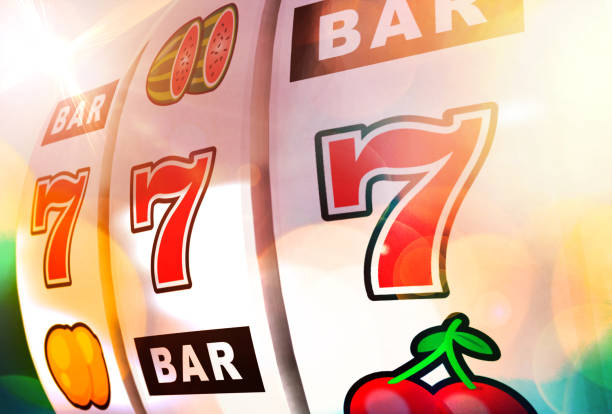
Additionally, the ‘loss aversion’ phenomenon can cause gamblers to chase their losses, leading to a cycle of increased bets in an attempt to recoup what has been lost. When individuals feel they have lost money, the emotional response can be more significant than the thrill of winning. This aversion to losses often clouds judgment, resulting in impulsive decisions and poor financial management. Recognizing these biases is crucial for developing healthier gambling habits and avoiding the pitfalls that can ensue from gambling in a highly stimulating environment. Educational programs that address these biases can help players make more informed decisions and establish boundaries.
The Social Aspect of Gambling
Gambling in casinos is not just about the games; it is also a profoundly social experience. Many players enjoy the communal aspect of gambling, such as engaging in conversations, sharing strategies, or simply being part of a lively group. This social interaction enhances the overall enjoyment of the gambling experience and can foster a sense of belonging. Casinos often facilitate this by creating spaces for group games and social activities, where players can connect and share their experiences in real-time. The presence of others can amplify the excitement and create a shared narrative among players, enriching the gambling experience.
Furthermore, the social proof phenomenon plays a critical role in influencing gambling behavior. When individuals observe others winning at a table, they may feel compelled to join in, believing their chances of winning have increased. This creates a contagious atmosphere that can draw more players into the action, as the thrill of others’ successes triggers personal desire. In contrast, when players see others losing, it may deter them from participating. Understanding these social dynamics can help casino operators design their environments to maximize player engagement and satisfaction. Social engagement can act as a powerful motivator for players to return, reinforcing their commitment to gambling.
The sense of identity that comes from being part of a gambling community can also contribute to continued engagement in casinos. Players often form friendships and networks around their gambling activities, which can lead to regular attendance at the same venues. This social bonding can reinforce gambling behavior, as players feel accountable to their peers and are reluctant to withdraw from the activity. This intertwining of social interaction and gambling enhances the psychological aspects of the experience, making it more than just a game of chance. As such, casinos that promote a sense of community can increase player loyalty and enhance the overall gaming environment.
The Impact of Environment on Gambling Behavior
The design and layout of casino environments have a profound impact on gambling behavior. Factors such as lighting, sound, and even scent are meticulously curated to create an immersive experience that keeps players engaged. The use of bright lights and stimulating sounds serves to heighten excitement, drawing players deeper into the gaming experience. Additionally, casinos often employ a lack of windows and clocks to obscure the passage of time, encouraging players to remain engaged longer than they might otherwise intend. This manipulation of the environment can lead to extended play sessions and increased spending.
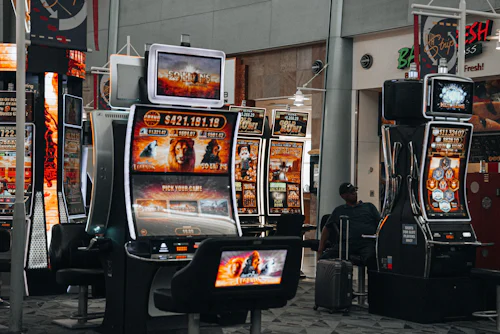
Another key aspect of casino design is the arrangement of games. Casinos typically place high-stakes tables near more casual gaming areas, drawing in players who may be tempted to play at higher stakes after observing others. This strategic placement plays into the psychology of gambling, as it creates a seamless transition for players looking to escalate their experience. The environment thus becomes a significant factor in shaping gambling behavior, highlighting the need for a nuanced understanding of how physical spaces influence psychological responses. Such design choices can maximize player engagement and influence spending patterns.
Moreover, the concept of ‘near misses’ is often implemented into game design to enhance engagement. For example, slot machines may display symbols that come close to a winning combination but ultimately do not pay out. These near misses can create a sense of excitement and encourage players to continue playing, as they feel they are just one spin away from success. This psychological tactic reinforces gambling behavior, making it essential for casino designers to consider how such elements can impact player engagement and revenue over time. The strategic use of near misses can effectively prolong play and enhance emotional investment in the games.
Understanding Responsible Gambling
Recognizing the psychological factors at play in gambling is crucial for promoting responsible gambling practices. Education plays a key role in helping players understand their behaviors and the risks associated with gambling. By raising awareness about cognitive biases and social influences, individuals can better arm themselves against the traps that often lead to problematic gambling. Informing players about the signs of addiction and responsible betting limits can empower them to make more informed choices when playing. This proactive approach can significantly decrease the likelihood of developing gambling-related issues.
Additionally, many casinos are beginning to adopt responsible gambling initiatives to support their patrons. These programs can include self-exclusion options, where individuals can voluntarily prohibit themselves from gambling activities for a designated period. By providing tools and resources for self-regulation, casinos can foster a safer environment that prioritizes the well-being of players while still offering an entertaining experience. Combining these efforts with ongoing education can significantly reduce the risks associated with gambling, helping to balance enjoyment with personal responsibility.
Finally, the role of technology in promoting responsible gambling cannot be overlooked. Online platforms and mobile apps now frequently offer features that allow players to set limits on their spending, track their gambling habits, and receive alerts when they exceed their self-imposed boundaries. This integration of technology helps bridge the gap between entertainment and responsibility, allowing players to enjoy the thrill of gambling while remaining aware of the psychological factors that can lead to unhealthy behaviors. As casinos continue to evolve, prioritizing mental health and responsible gaming practices will be essential for their long-term success. By leveraging technology, casinos can create a safer and more enjoyable experience for all players.